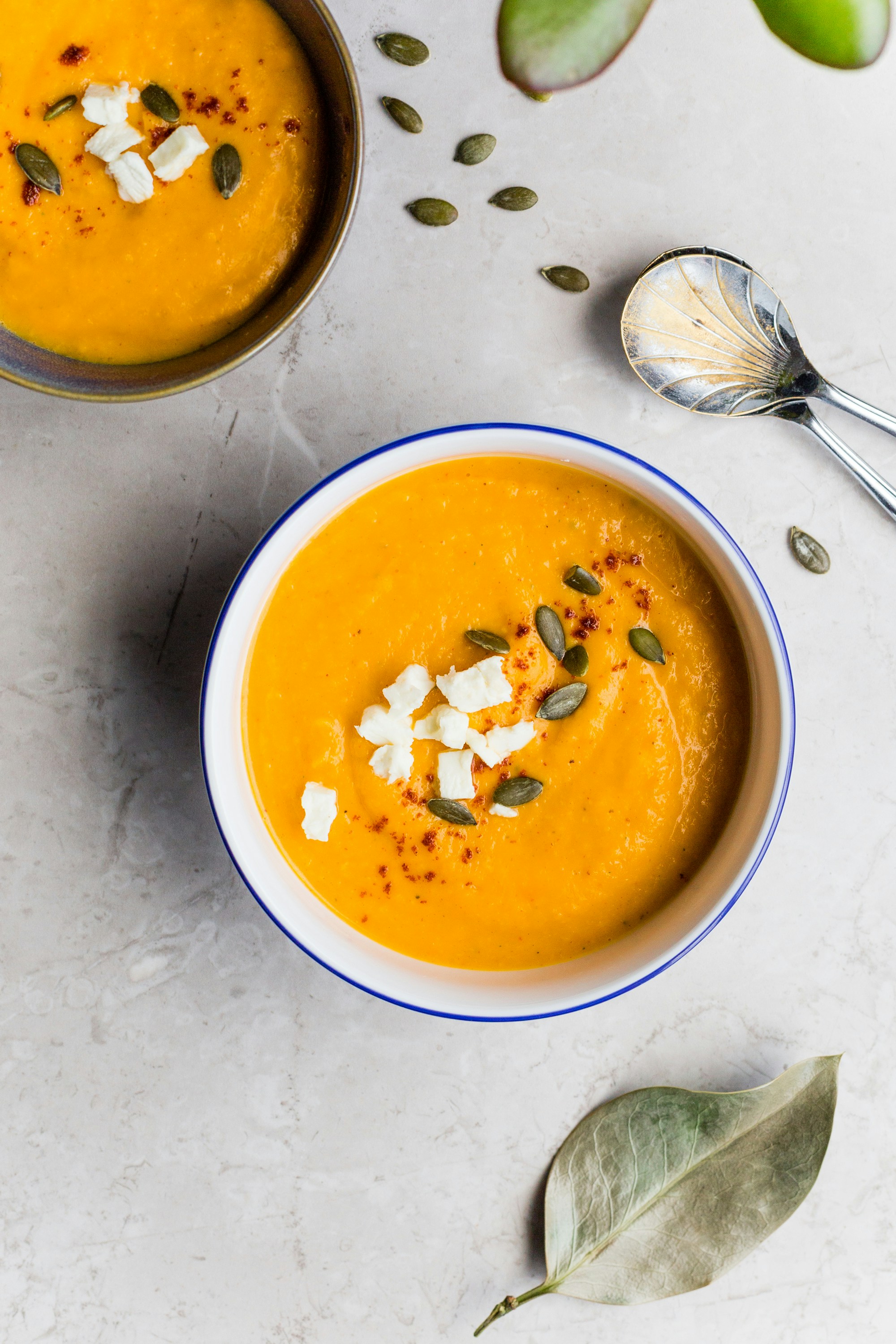
🥣 Save that goop!
Freezing cooked soup is one of the easiest and most reliable ways to save leftovers, reduce food waste, and keep comforting meals ready for busy days. When done properly, frozen soup reheats beautifully, often tasting just as good, if not better, than the day it was made.
The key isn’t whether soup can be frozen (it absolutely can), it’s how you cool, store, and reheat it. Soups contain water, fats, proteins, and sometimes starches, all of which respond differently to freezing. Handle them well, and you’ll preserve flavour, texture, and safety. Handle them poorly, and you’ll end up with separation, mushy ingredients, or dull taste.
This guide covers everything you need to know, including which soups freeze best, how to avoid texture problems, proper storage methods, reheating techniques, and common mistakes to avoid.
🧠 Why Soup Freezes So Well
Soup is naturally freezer-friendly for a few reasons:
- High moisture content helps prevent excessive drying
- Even heat distribution makes reheating predictable
- Slow cooking allows flavours to deepen over time
- Liquid base protects ingredients from freezer exposure
That said, not all soups behave the same. The ingredients inside the soup matter just as much as the broth itself. Understanding what freezes well (and what doesn’t) is the difference between a perfect reheated bowl and a disappointing one.
🥕 Which Types of Soup Freeze Best
✅ Excellent freezer candidates
These soups hold their texture and flavour extremely well:
- Broth-based soups (chicken, beef, vegetable, bone broth)
- Lentil soup
- Bean soups (black bean, split pea, white bean)
- Vegetable soups without pasta
- Tomato-based soups
- Chili and stews
- Pureed soups (pumpkin, squash, carrot, potato)
⚠️ Freeze with small adjustments
These soups freeze safely but benefit from minor tweaks:
- Soups with pasta or rice (freeze broth separately if possible)
- Creamy soups (may separate slightly, but can be stirred smooth)
- Soups with dairy (freeze before adding cream when possible)
❌ Not ideal for freezing
These tend to suffer texture issues:
- Egg-drop soup
- Soups with delicate seafood added at the end
- Soups thickened heavily with flour or cornstarch
- Soups with soft noodles cooked directly in the broth
❄️ Step-by-Step: How to Freeze Cooked Soup
Follow these steps to freeze soup safely while preserving taste and texture.
1. Cool quickly and completely
Hot soup should never go straight into the freezer.
- Transfer the soup into shallow containers to release heat
- Stir occasionally to help steam escape
- Cool until no longer warm to the touch
This step reduces condensation, ice crystals, and bacterial growth.
2. Portion smartly
Think in terms of future meals, not storage convenience.
- Single-serving portions for quick lunches
- Family-sized portions for dinners
- Leave space at the top of containers for expansion
Freezer bags work especially well when laid flat.
3. Use airtight storage
Proper storage prevents freezer damage and flavour loss.
Best options:
- Freezer-safe containers with tight lids
- Heavy-duty freezer bags (air pressed out)
- Glass containers rated for freezing
Avoid thin containers or loosely sealed lids.
4. Label clearly
Always label with:
- Type of soup
- Date frozen
Example:
- “Lentil soup – Feb 3, 2026”
- “Chicken vegetable – Jan 16, 2026”
This prevents forgotten containers and keeps rotation easy.
5. Freeze flat and promptly
- Lay bags flat until frozen solid
- Stack once firm
- Freeze as soon as the soup is fully cooled and sealed
Prompt freezing protects texture and flavour.
🔥 How to Reheat Frozen Soup the Right Way
Reheating is where most texture issues happen. Gentle heat is your friend.
Best methods
Stovetop (best overall):
- Transfer frozen soup to a pot
- Heat on low to medium
- Stir occasionally as it loosens
- Bring to a gentle simmer
Microwave (convenient):
- Use a microwave-safe container
- Cover loosely
- Heat in short intervals, stirring between bursts
From frozen or thawed?
- Either is safe
- Thawing overnight in the fridge speeds reheating
- Frozen soup reheats just fine with patience
❗ Avoid
- Boiling aggressively for long periods
- Microwaving sealed containers
- Letting soup sit at room temperature for hours
- Refreezing soup that was thawed on the counter
🧪 Common Problems (and How to Fix Them)
Soup separated after thawing
Fix: Stir gently while reheating. Pureed soups usually recombine.
Mushy vegetables
Cause: Overcooked before freezing
Fix: Slightly undercook vegetables next time.
Bland flavour
Cause: Seasoning muted by freezing
Fix: Adjust salt and seasoning after reheating.
Pasta too soft
Cause: Frozen in the broth
Fix: Cook and add pasta fresh when reheating.
🧾 Food Safety: The Simple Rules
- Cool soup within 2 hours of cooking
- Freeze promptly once cooled
- Thaw in the fridge or reheat directly from frozen
- Reheat to steaming hot throughout
- Do not refreeze soup thawed at room temperature
📆 How Long Frozen Soup Keeps
- Best quality: 2–4 months
- Safe longer: up to 6 months (quality declines gradually)
Creamy soups are best used sooner than broth-based ones.
🏁 ✅ Bottom Line
Cooked soup freezes beautifully when cooled quickly and stored airtight. Portion it thoughtfully, label clearly, freeze flat, and reheat gently for comforting meals anytime.
TL;DR: Cool soup fully, portion into airtight containers, freeze flat, store up to 4 months, and reheat gently on the stove or in short microwave bursts. Avoid boiling aggressively and always vent containers.
It’s an easy way to save leftovers, cut food waste, and keep quick meals ready to reheat anytime.
👉 Want to save more than soup? Check out Can You Freeze Cooked Bread? — for simple steps to keep loaves soft and fresh after freezing.