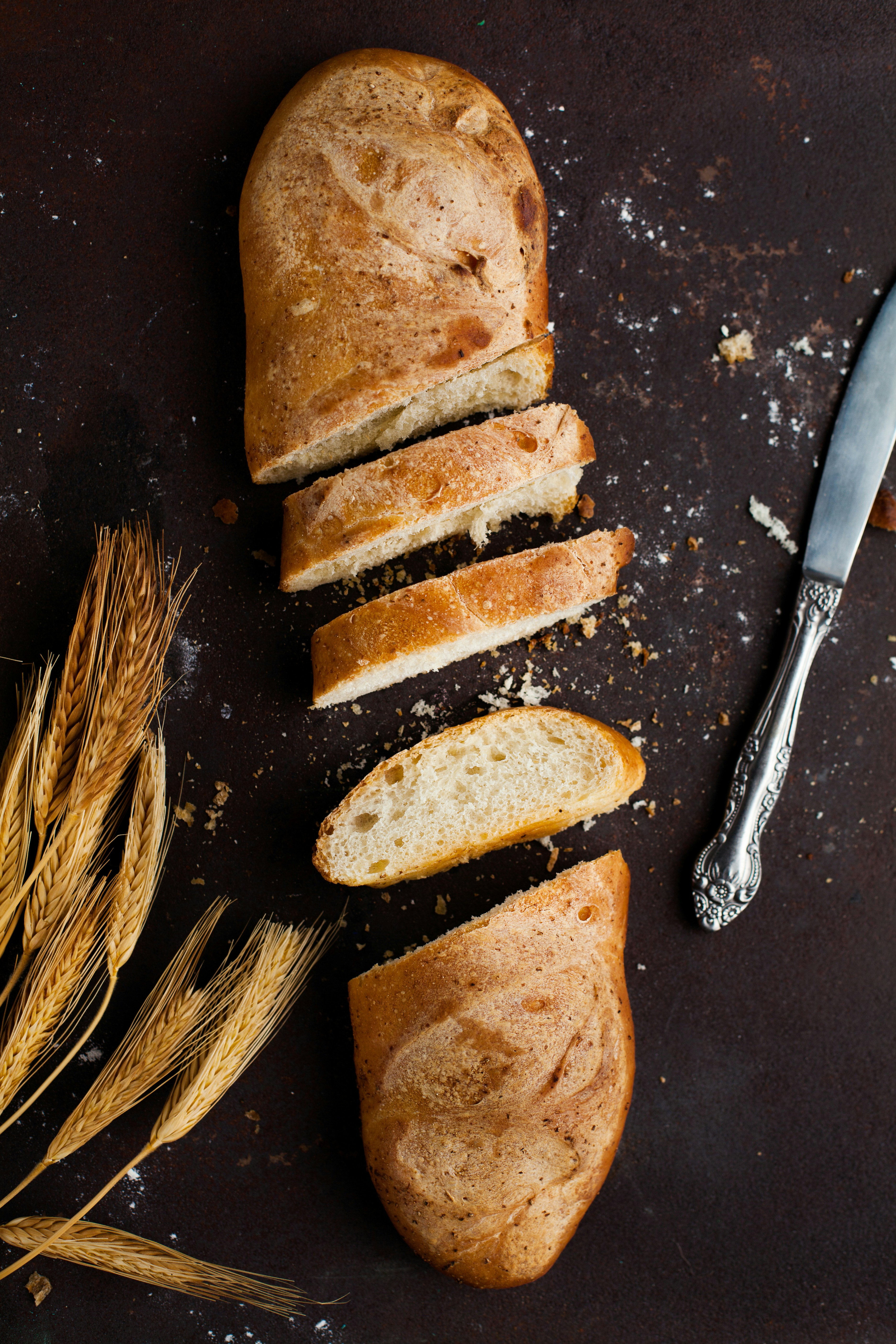
🍞 Save that loaf!
Freezing cooked bread is one of the easiest and most effective ways to reduce food waste without sacrificing flavour or texture. Whether you’re dealing with half a loaf from the bakery, homemade bread that went stale too fast, or extra slices from meal prep, bread freezes remarkably well when handled correctly.
The secret isn’t just freezing bread, it’s how you cool it, wrap it, portion it, and reheat it. Done right, frozen bread can taste just as good as fresh, with a crisp crust and soft interior, ready whenever you need it.
This guide walks you through exactly how to freeze cooked bread safely and successfully, including which types freeze best, how to prevent freezer burn, the best reheating methods, storage timelines, and common mistakes that can ruin the texture.
🧠 Why Bread Freezes So Well
Bread is uniquely freezer-friendly because of its structure. Once baked, bread contains:
- Starches that retrograde (firm up) over time at room temperature
- Moisture that can be preserved if sealed properly
- Low fat content in many breads reduces spoilage risks
Freezing bread pauses staling. Bread goes stale much faster on the counter than it does in the freezer. The key threats are air exposure and moisture loss, not the freezing process itself.
When bread is wrapped tightly and frozen quickly, its crumb structure stays intact, and the flavour remains stable. Poor wrapping, trapped air, or condensation are the causes of dryness, freezer burn, or off-textures.
🥖 What Types of Bread Freeze Best?
Most cooked breads freeze extremely well, but some perform better than others.
✅ Excellent freezer candidates
- Sliced sandwich bread (white, whole wheat, multigrain)
- Artisan loaves (sourdough, country bread, boule)
- Buns and rolls (hamburger, dinner rolls, sandwich buns)
- Flatbreads (pita, naan, focaccia)
- Homemade bread (yeast or quick breads, fully baked)
⚠️ Freeze with minor changes
- Crusty breads (best refreshed in oven after thawing)
- Soft enriched breads (wrap very tightly to prevent drying)
- Sweet breads (banana bread, zucchini bread, brioche)
❌ Not ideal for freezing
- Bread with wet fillings already inside
- Bread soaked in syrup or glaze
- Bread that was already stale before freezing
Freezing doesn’t fix stale bread; it only preserves its current state.
❄️ Step-by-Step: How to Freeze Cooked Bread
1. Cool completely
Bread must be fully cooled before freezing.
- Let loaves and slices cool to room temperature
- Never wrap warm bread; steam causes condensation and sogginess
- Cooling usually takes 30–90 minutes, depending on size
2. Slice or portion first (optional but recommended)
Think about how you’ll use it later.
- Slice loaves if you want quick single portions
- Leave whole if you plan to thaw and refresh the entire loaf
- Separate buns or rolls so they don’t freeze together
Portioning before freezing saves time and prevents unnecessary thawing later.
3. Wrap tightly and remove air
This step matters more than almost anything else.
Best options:
- Plastic wrap pressed tightly against the bread
- Foil for crusty loaves
- Freezer bags with excess air pressed out
For best protection:
- Wrap first, then place inside a freezer bag
- Double-wrap crusty or artisan loaves
- Keep air away from the surface to prevent freezer burn
4. Label and date clearly
Bread is easy to forget in the freezer.
Include:
- Type of bread
- Sliced or whole
- Date frozen
Use within 1–3 months for the best texture and flavour.
5. Freeze flat and promptly
- Lay slices flat so they don’t bend or crack
- Stack once frozen solid
- Freeze as soon as wrapped to lock in freshness
🔥 How to Reheat Frozen Bread the Right Way
The reheating method determines whether bread tastes fresh or disappointing.
Best methods (texture-first)
Toaster or toaster oven (slices)
- Toast directly from frozen
- No thawing needed
- Produces crisp exterior and soft centre
Oven (whole loaves or crusty bread)
- Thaw at room temperature for 20–40 minutes
- Refresh at 300–325°F / 150–165°C for 10–15 minutes
- Optional light mist of water for crust revival
Skillet (flatbreads)
- Medium heat, dry or lightly oiled
- Flip once warm and flexible
Convenience methods
Microwave (last resort)
- Wrap in a damp paper towel
- Heat in short bursts
- Best for soft breads only
Microwaving can make bread rubbery if overdone.
❌ What to Avoid
- Thawing bread in plastic while still frozen (causes condensation)
- Leaving thawed bread uncovered
- Refreezing bread repeatedly
- Storing bread loosely wrapped
- Microwaving unwrapped bread
🧊 Storage Timelines
- Best quality: 1–3 months
- Safe longer: Yes, but texture declines
- Sliced bread: Tends to last closer to 3 months
- Crusty loaves: Best within 1–2 months
🧾 Food Safety Notes
- Freezing stops mould growth, but doesn’t kill mould
- Do not freeze bread that shows any mould
- Thawed bread should be used within a few days
- Bread is safe to toast or reheat directly from frozen
🧪 Common Problems and How to Fix Them
Dry bread after thawing
→ Wrap tighter, remove more air
Soggy texture
→ Bread was wrapped warm or thawed while sealed
Freezer taste
→ Improve wrapping, shorten storage time
Crumbly slices
→ Slice after partial thaw instead of fully frozen
🏁 Bottom Line
Cooked bread freezes exceptionally well when cooled fully and wrapped airtight. Slice or portion first, remove air, freeze flat, and reheat properly, and you’ll always have fresh-tasting bread ready when you need it.
TL;DR: Cool bread completely, wrap tightly with air removed, freeze flat, store up to 3 months, toast slices straight from frozen, and refresh whole loaves gently in the oven. Skip the microwave when possible.
Cooked bread freezes incredibly well when wrapped and stored properly. It’s a smart move for reducing waste and having fresh slices ready anytime.
👉 Love freezing bread but also saving veggies? Check out Can You Freeze Cooked Vegetables? — for crisp, flavourful results every time.