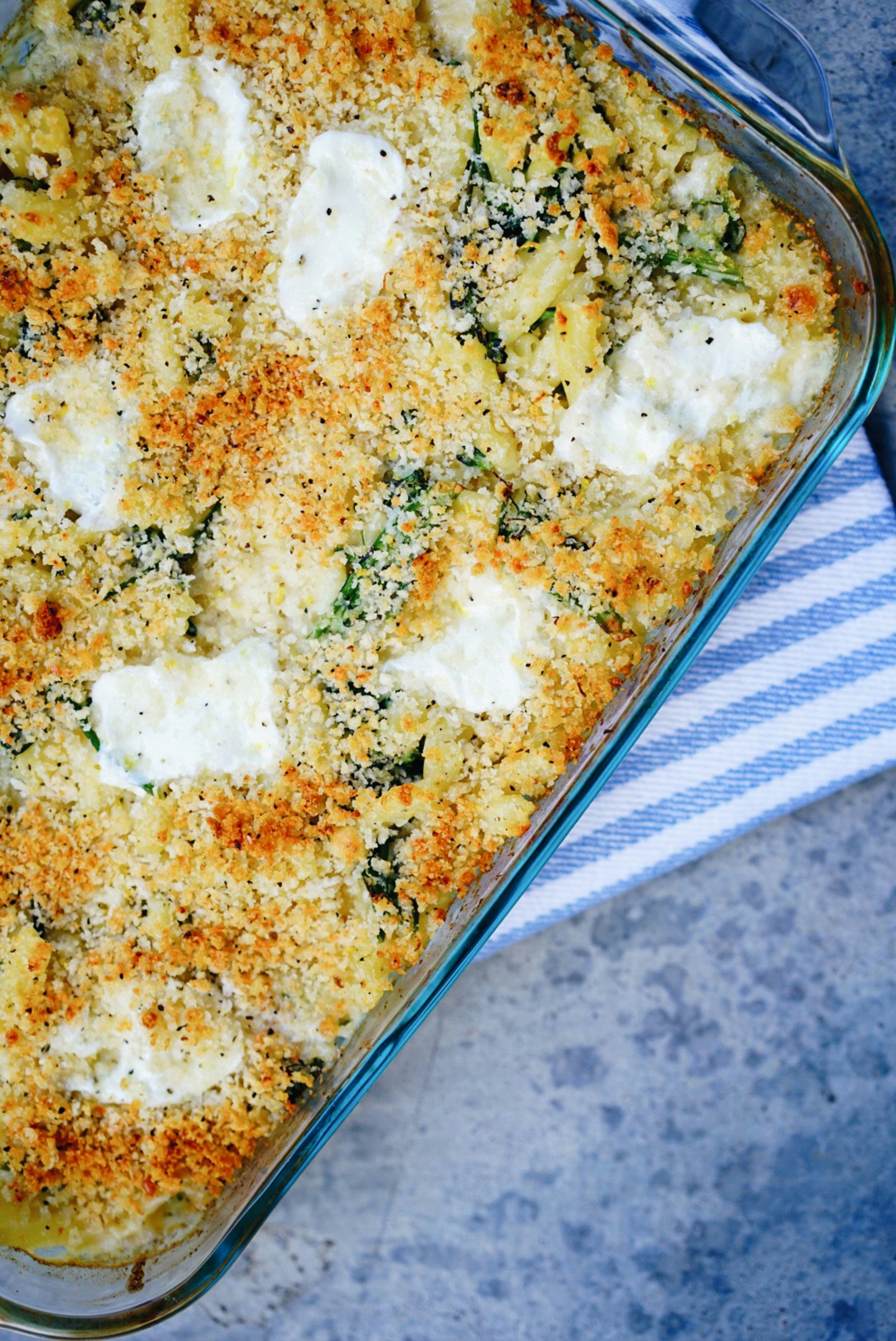
🥘 Save that bake!
Cooked casseroles are one of the most freezer-friendly meals you can make, but only if they’re handled properly. Because casseroles combine proteins, starches, vegetables, and sauces into a single dish, it’s common to worry that freezing will turn them watery, grainy, or bland.
The good news is that most cooked casseroles freeze extremely well. The less good news is that small missteps during cooling, wrapping, or reheating can undo all that convenience. Texture problems rarely come from freezing itself. They come from trapped steam, excess air, certain ingredient choices, or reheating that’s too aggressive.
This guide explains why casseroles freeze so well, which types perform best, how to freeze cooked casseroles step by step, how long they keep, how to reheat them safely, and the most common mistakes that cause disappointing results.
🧠 Why Cooked Casseroles Freeze So Well
Casseroles are naturally suited to freezing because of how they’re built.
Most casseroles include:
- A starch base, such as pasta, rice, or potatoes
- A protein, like meat, beans, eggs, or cheese
- A binding element, often sauce, eggs, cheese, or starch
- Enough moisture to protect the interior during freezing
When frozen properly, this structure limits ice crystal damage and helps the dish reheat evenly. Unlike single-ingredient foods, casseroles don’t rely on one fragile texture. The ingredients support one another, which is why casseroles often reheat better than plain pasta, vegetables, or meats on their own.
Problems usually show up when the casserole is frozen while still warm, wrapped loosely, built with ingredients that release excess water, or reheated uncovered at high heat. When those issues are avoided, a frozen cooked casserole can taste remarkably close to one made fresh.
🧊 What Types of Cooked Casseroles Freeze Best
Not all casseroles behave the same in the freezer. Performance depends on ingredient balance and moisture control.
✅ Excellent freezer candidates
These freeze and reheat with minimal texture change:
- Pasta casseroles like lasagna, baked ziti, or macaroni and cheese
- Rice-based casseroles
- Bean and legume casseroles
- Meat and vegetable casseroles
- Tomato-based or broth-based casseroles
- Fully cooked stuffing or dressing bakes
⚠️ Freeze well with small adjustments
These are safe and workable, but benefit from care:
- Cream-based casseroles, which reheat best gently and covered
- Egg-based breakfast casseroles, best eaten within one to two months
- Potato casseroles, especially when potatoes are mashed or thinly sliced
- Cheese-heavy casseroles, which prefer slower reheating
❌ Not ideal on their own
These tend to suffer unless modified:
- Casseroles containing fresh lettuce or raw greens
- Dishes topped with uncooked watery vegetables
- Casseroles finished with delicate fresh herbs, which are better added after reheating
❄️ Step-by-Step: How to Freeze Cooked Casseroles
1. Cool completely before freezing
This step matters more than anything else.
After baking, allow the casserole to cool until there is no visible steam, condensation has stopped forming, and the dish is cool to the touch. Freezing while warm traps steam, which later turns into ice crystals and causes sogginess.
For faster cooling, place the dish on a rack or cool surface. Large casseroles can also be portioned once safe to handle. Aim to freeze within two hours of cooking.
2. Decide whether to freeze whole or portioned
Think ahead to how you’ll want to reheat it.
Freezing whole works well for family meals. Portioning into single or two-serving sizes makes weeknight meals easier. Smaller portions freeze faster and reheat more evenly.
If freezing in the original baking dish, confirm it’s freezer-safe and not prone to cracking.
3. Wrap tightly and remove excess air
Air exposure is what causes freezer burn and dryness.
For best results:
- Press plastic wrap directly against the surface
- Add a tight layer of foil or use an airtight freezer lid
- Leave minimal headspace in containers
If freezing slices, wrap each piece individually before storing together.
4. Label clearly
Always include:
- The name of the casserole
- The date it was frozen
- Any reheating notes you’ll appreciate later
Clear labels save time and prevent forgotten leftovers.
5. Freeze promptly and flat
Place casseroles in the coldest part of the freezer at 0°F / −18°C or lower. Flat storage helps the dish freeze evenly and saves space.
🔥 How to Reheat Frozen Casseroles the Right Way
Oven reheating, best overall results
This method gives the most even texture.
From thawed:
- Thaw overnight in the refrigerator
- Reheat covered at 350°F / 175°C
- Uncover for the final 10 to 15 minutes if browning is desired
From frozen:
- Keep fully covered
- Reheat at 325°F / 165°C
- Allow extra time for the centre to heat through
Covering the dish protects moisture and prevents sauces from breaking.
Microwave reheating, best for portions
- Transfer to a microwave-safe dish
- Cover loosely
- Heat in short intervals
- Stir or rotate between cycles
- Let stand briefly before eating
Microwaves heat unevenly, so patience is key.
⚠️ Common Problems (and How to Avoid Them)
Watery casserole
→ Freeze only after fully cooled, reheat covered
Dry edges
→ Keep covered during reheating, uncover only at the end
Grainy or split sauces
→ Reheat gently at lower heat
Mushy vegetables
→ Slightly undercook vegetables if planning to freeze
Freezer burn
→ Wrap tightly and remove excess air
🛡️ Food Safety
Freeze cooked casseroles within two hours of cooking. Store at 0°F / −18°C or colder. Thaw in the refrigerator, not on the counter. Reheat until piping hot throughout. Do not refreeze once reheated.
Freezing stops bacterial growth, but it does not correct unsafe handling before freezing.
📆 How Long Frozen Cooked Casseroles Keep
| Storage time | Quality |
|---|---|
| 1–2 months | Best texture and flavour |
| 3 months | Still very good |
| Up to 6 months | Safe, but quality declines |
Cream-based and egg-heavy casseroles are best used sooner.
🏁 ✅ Bottom Line
Yes, cooked casseroles freeze very well when cooled fully, wrapped tightly, frozen promptly, and reheated gently. Most problems come from steam, air exposure, or excessive heat, not from freezing itself.
With a little care, casseroles are one of the most reliable freezer meals you can keep on hand.
TL;DR: Cooked casseroles freeze well. Cool completely, wrap airtight, freeze promptly, use within one to three months for best quality, and reheat covered until piping hot.
👉 Casseroles often include potatoes.
See How to Freeze Cooked Potatoes for the best texture and freezer-friendly results.