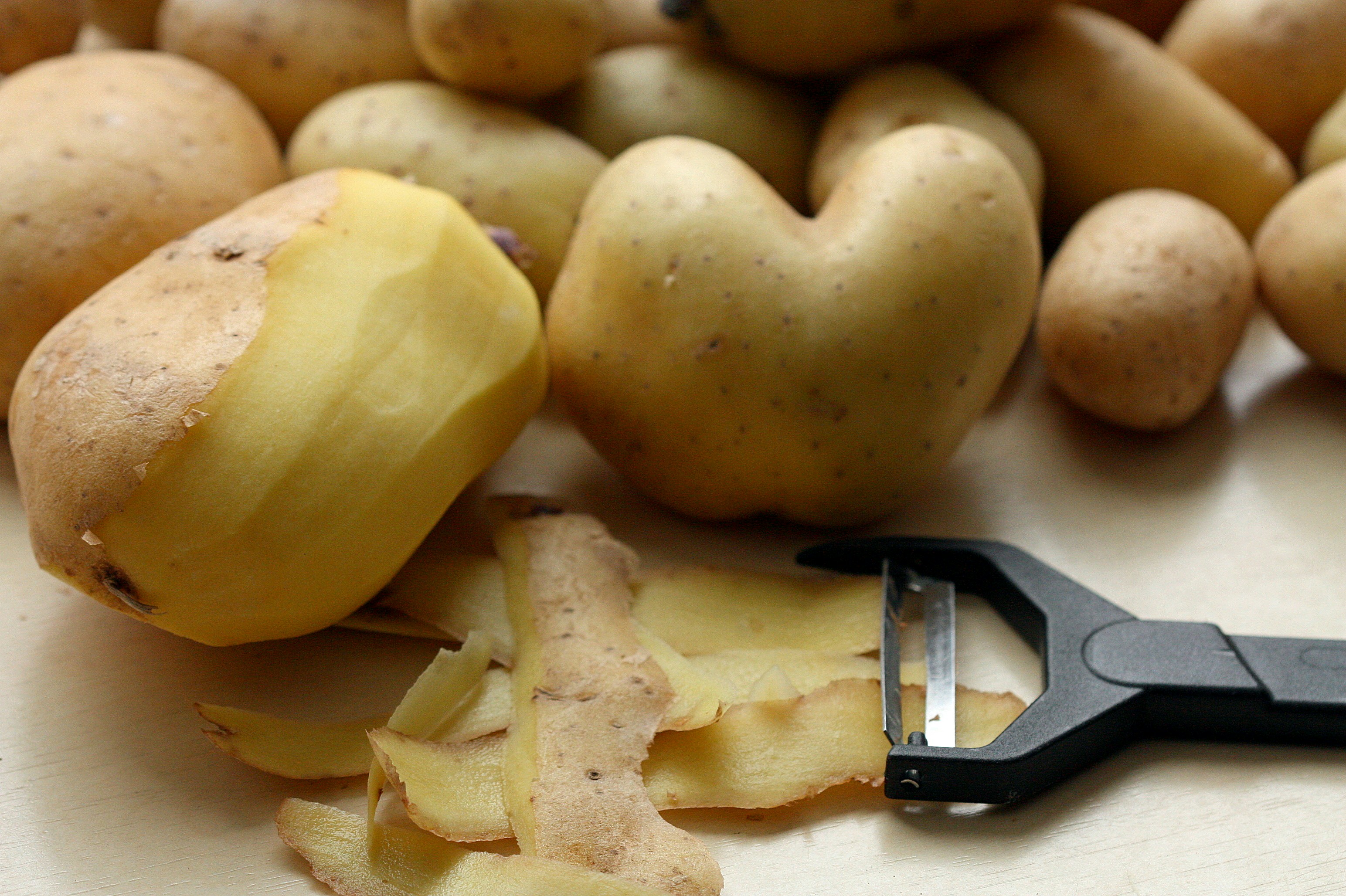
🥔 Save those spuds!
Freezing cooked potatoes can work extremely well, as long as you freeze the right type of potato dish and handle it properly. The main reason people think potatoes “don’t freeze well” is because certain preparations turn grainy, watery, or gummy after thawing. That texture change is real, but it’s not random. It’s caused by how potato starch behaves after cooking, cooling, and reheating.
This guide explains which cooked potatoes freeze best, the step-by-step method that keeps them fluffy, how long they keep, and the safest ways to reheat them so they still taste like something you would actually want to eat.
Why Potatoes Can Change Texture in the Freezer
Potatoes are mostly starch and water. When you cook them, the starch granules absorb water and swell, creating that tender texture we love. When potatoes cool, some of that starch “sets” again. Freezing adds another layer; water inside the potato turns to ice. If the potato dish has too much free water, or the pieces are too large, those ice crystals can create a watery or grainy texture after thawing.
The good news is that you can control this. The best freezing results come from:
- cooking methods that remove moisture (roasting, baking)
- portioning potatoes in a way that freezes quickly
- using airtight storage to prevent freezer burn
- reheating gently without overcooking
What Types of Cooked Potatoes Freeze Best?
Best choices (freeze and reheat well)
- Roasted potatoes
- Baked potatoes (whole or scooped)
- Mashed potatoes (especially with butter or milk)
- Parboiled potatoes that will be roasted later
- Potato wedges or cubes (when pre-frozen on a tray)
Okay choices (can work, but need care)
- Boiled potato chunks (better if destined for soup or mash)
- Home fries (best reheated in a skillet or air fryer)
Not ideal (often gets watery or splits)
- Scalloped potatoes or au gratin (dairy can separate, texture can go grainy)
- Potato salads (may get watery and unpleasant)
- Very creamy potato casseroles (can work, but reheat gently and expect some texture change)
If you want the easiest win for both texture and simplicity, freeze roasted pieces or mashed potatoes.
🧊 Step-by-Step: How to Freeze Cooked Potatoes
1. Cool completely
Let cooked potatoes cool before freezing. This matters for two reasons:
- steam trapped in a bag becomes condensation, then ice
- moisture in the bag increases ice crystals, which ruins the texture
Spread potatoes on a tray and let them cool until no longer steaming. If you are short on time, you can cool them in the fridge, but do not seal them hot.
2. Portion and pre-freeze (the biggest texture saver)
This is the step most people skip, and it is why they end up with one frozen brick.
For chunks, wedges, roasted pieces, or fries:
- line a baking tray with parchment
- spread potatoes in a single layer, not touching if possible
- freeze 2–3 hours until firm
For mashed potatoes:
- scoop portions with a measuring cup or ice cream scoop
- place mounds on a parchment-lined tray
- freeze until firm, then transfer to a container or bag
Pre-freezing prevents clumping and helps portions reheat evenly.
3. Store airtight and remove as much air as possible
Once potatoes are firm, transfer to freezer-safe storage:
- freezer bags (best for flat stacking)
- airtight containers (best for crush protection)
- vacuum seal if you have it (excellent, but optional)
Press out air from bags before sealing. Air causes freezer burn and dry, stale flavour. Label with the date and what it is, for example, “Roasted Yukon Gold cubes”.
4. Freeze up to 3 months for the best texture
Cooked potatoes are generally best used within 1–3 months. They may stay safe longer if stored cold and airtight, but flavour and texture will slowly degrade. For AdSense and reader trust, this is the practical, no-hype advice.
How to Reheat Frozen Potatoes Without Ruining Them
The right reheating method depends on the type of potato dish.
Roasted potatoes, wedges, fries, home fries
These reheat best with dry heat:
- Oven: 400°F (200°C), spread on a tray, 15–25 minutes, flip once
- Air fryer: 375–400°F (190–200°C), 8–15 minutes, shake halfway
- Skillet: medium heat with a small amount of oil, cover briefly to warm through, then uncover to crisp
Tip: If they seem dry, toss with a tiny drizzle of oil before reheating.
Mashed potatoes
Mashed potatoes are easiest and usually come out great:
- Microwave: add 1–2 tablespoons milk or water per portion, cover, heat in 30-second bursts, stir each time
- Stovetop: low heat, add a splash of milk, stir slowly until hot
Avoid blasting mashed potatoes on high for several minutes straight. That is where the gluey, gummy texture comes from.
Baked potatoes (whole)
Yes, you can freeze baked potatoes. Reheat like this:
- thaw overnight in the fridge if you can (best texture)
- bake at 350–375°F (175–190°C) until steaming hot in the centre
If you freeze whole baked potatoes, wrap them well to prevent freezer burn.
Can You Freeze Potatoes With Other Ingredients?
Yes, but plain potatoes freeze best
Potatoes mixed with other ingredients can freeze fine, but there are a few common issues:
- Cream and cheese sauces can separate
- Watery vegetables can release moisture
- Casseroles can thaw unevenly
If you are freezing a mixed dish, these tips help:
- cool fully before sealing
- freeze in smaller portions
- reheat gently, low and slow
- stir halfway through reheating when possible
For scalloped potatoes or au gratin, you may still get good results, but set expectations. They are more likely to lose that fresh-baked texture.
Best Potato Varieties for Freezing
Different potatoes behave differently because of starch levels.
- Yukon Gold: great all-around, freezes well as mash or roasted
- Russet: excellent for mashed and baked, can be a bit dry as chunks unless roasted
- Red potatoes: good for roasting and chunk freezing, holds shape well
- Fingerlings: good roasted, freeze well when pre-frozen on a tray
If you are freezing boiled chunks, waxier potatoes like red potatoes usually hold shape better than very starchy ones.
Common Problems and How to Avoid Them
“My potatoes turned grainy”
This usually happens with boiled potatoes or creamy casseroles.
Fix:
- freeze roasted, or mashed instead
- reheat gently, do not overheat
- add a small amount of butter or milk to mashed potatoes before freezing
“They’re watery after thawing”
This is usually trapped steam or excess moisture.
Fix:
- cool fully before sealing
- pre-freeze on a tray
- store airtight and remove air
“They taste like the freezer”
That is freezer burn or odour absorption.
Fix:
- airtight container or double-bag
- remove air
- use within 3 months
- keep away from strongly scented freezer items
Food Safety Notes (Simple and Accurate)
- Freezing cooked potatoes is safe if they were cooled and stored properly.
- Do not leave cooked potatoes sitting warm for hours before freezing.
- Reheat until steaming hot throughout.
- Do not repeatedly thaw and refreeze.
Bottom Line
Cooked potatoes can freeze beautifully if you prep them correctly. Cool them fully, portion them in a way that freezes quickly, pre-freeze pieces on a tray to prevent clumping, store airtight with minimal air, and aim to use them within 1–3 months for the best texture. Reheat roasted pieces with dry heat for crispness, and reheat mashed potatoes slowly with a splash of milk for creaminess.
TL;DR: Cool cooked potatoes completely, pre-freeze portions on a tray, store airtight with the date, use within 1–3 months, and reheat gently. Roast or air-fry for crisp pieces, microwave mashed potatoes in short bursts with a splash of milk, and avoid overheating to prevent gummy texture.
👉 Love potatoes but also freeze rice?
Check out Can You Freeze Cooked Rice? — for perfectly fresh, flavourful results every time.