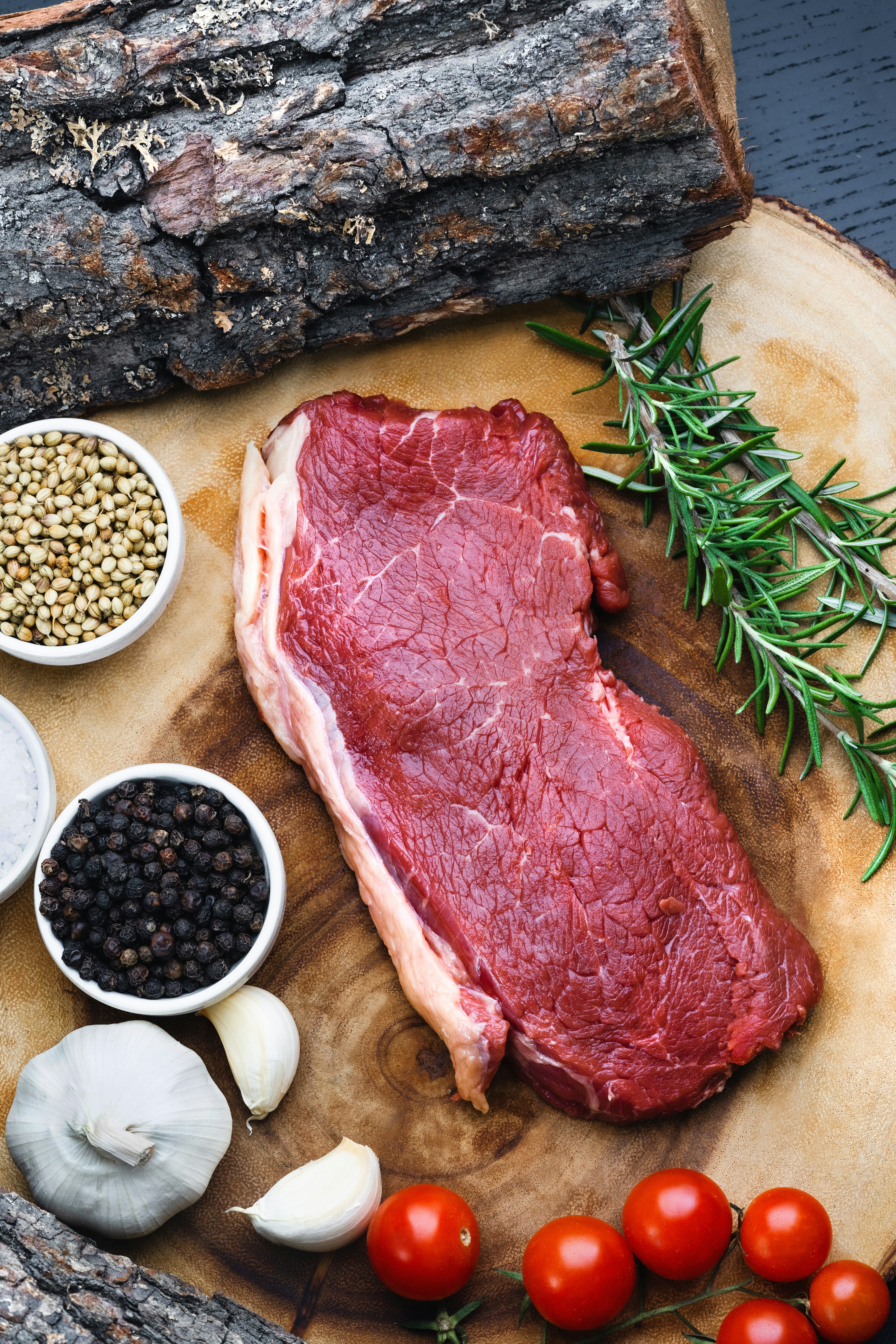
🥩 Save that bœuf!
Freezing cooked beef is one of the smartest ways to save leftovers, simplify weekly meal prep, and cut down on food waste. Beef holds up well in the freezer when it’s cooled properly, portioned thoughtfully, sealed airtight, and reheated gently. This guide provides you with reliable steps, texture tips, storage timelines, and reheating methods that protect flavour and moisture, ensuring your frozen beef tastes satisfying every time.
🧠 Why Cooked Beef Freezes So Well
Beef freezes well for a few reasons:
- It’s naturally rich in fats and proteins that stabilize well at low temperatures.
- Its texture, once cooked, is already set, so freezing doesn’t break down the structure the way it does with raw meat.
- When cooled properly, beef retains moisture, flavour, and nutrients for months.
- Removing air before freezing prevents surface drying and freezer burn patches.
Beef does contain water, like all foods. Still, the key to preserving texture isn’t avoiding water entirely; it’s avoiding trapped steam, excess air, or pooled liquid, all of which can create ice crystals or dry edges that hurt the eating experience later.
🧊 What Types of Cooked Beef Freeze Best?
✔ Excellent freezer candidates
These hold texture and flavour the best:
- Roasted beef slices (like pot roast, roast beef, brisket)
- Ground beef (cooked into firmer crumbles or patties)
- Steak portions (especially cubed or sliced)
- Slow-cooked beef (chuck, shank, brisket, short ribs)
- Shredded beef used in bowls, burritos, tacos, or stir-fried dishes
- Beef frozen in broth or sauce (when cooled first and frozen promptly)
- Cooked beef meatballs
- Chili, stew, or curry beef portions (tomato or broth-based)
- Grilled beef slices
❗ Still workable, but handle carefully
These are safe, but slightly more sensitive:
- Beef with light seasoning only (flavour is fine, but reheat gently)
- Thin steak slices (work well, but freeze flat and airtight)
- Barbecued beef portions (freeze evenly, but the sauce may caramelize edges a bit)
❌ Not recommended
These are safe but disappointing to freeze:
- Large unportioned beef slabs (freeze unevenly)
- Beef frozen with air left in bags or containers
- Beef refrozen after thawing on the counter
❄️ Step-by-Step: How to Freeze Cooked Beef
1. Cool Completely
Cooling is the most important step for texture:
- Let the beef cool to room temperature before sealing.
- If the beef is steaming, don’t bag it yet; steam = condensation, condensation = ice crystals.
- Spread slices or portions on a tray or plate for 5–10 minutes to let heat escape quickly.
- Then move it into the fridge uncovered for another 20–40 minutes if you want to be extra safe before sealing and freezing.
- Don’t leave beef sitting out for hours; cool fast, then freeze fast.
2. Portion Into Meal-Sized Servings
Good portions freeze and reheat better:
- Divide into single meals so you only thaw what you need.
- 1–2 cups of beef crumbles, or 1 full steak portion, or 1 roast slice stack per bag/container.
- Great portions include burrito filling, rice bowls, steak cubes, meatballs, stew portions, etc.
- If you’re freezing ground beef, firm crumbles are better than saucy mince for texture later.
- Portion small for even freezing and quick thawing.
3. Use Freezer-Safe, Airtight Storage
Airtight storage protects the surface of the meat:
- Freezer bags are excellent, especially if you press the air out first.
- Airtight containers are excellent too; glass or BPA-free plastic both work well.
- If stacking slices, layer parchment or cling wrap between pieces before sealing.
- If using freezer bags, flatten them so they stack neatly and freeze evenly.
- Remove excess air, seal tight, and keep surfaces protected.
4. Label and Rotate by Date
Labelling helps you manage portions later:
Examples:
- “Roast beef slices, Jan 5, 2026”
- “Ground beef crumbles, Jan 6, 2026”
- “Beef meatballs, Jan 16, 2026”
Tips:
- Use the oldest first.
- Beef stays pleasant for 1–3 months when handled right.
- No freezer roulette, no guessing later.
5. Freeze Promptly and Freeze Flat
For best results:
- Freeze as soon as the beef is sealed and labelled.
- Freeze bags flat to avoid air pockets.
- If freezing slices, don’t let them touch until firm; pre-freezing on a tray first can help if they’re extra soft.
- Freeze flat so your beef reheats evenly and stacks cleanly.
🔥 How to Reheat Frozen Cooked Beef Without Ruining It
Best reheating methods
These protect texture and flavour:
- Simmer in sauce or broth 1–2 minutes, low heat, stir halfway, especially for shredded or crumbled beef.
- Warm in a skillet over medium-low heat, uncovered or loosely covered at first, finish uncovered to prevent soggy surfaces.
- Bake in oven 375–400°F / 190–204°C, uncovered for 12–20 minutes for meatballs or portions like roast slices or cubes.
- Pan-fry steak cubes on medium-low heat; a small splash of oil helps protect moisture.
Microwave reheating (convenience option)
Use it like this for safety and texture:
- Add a splash of water or sauce.
- Cover loosely to avoid trapped steam.
- Reheat in 20–40 second bursts.
- Stir or flip halfway.
- Continue until steaming hot throughout (165°F / 74°C).
Avoid:
- ❌ Boiling again, boiling tightens proteins and makes beef rubbery or dry.
- ❌ High nonstop microwave blasts.
- ❌ Leaving reheated beef sitting out for hours.
- ❌ Refreezing after counter thaw.
🧪 Common Mistakes That Hurt Texture and Flavour
- Freezing beef without cooling fully first
- Packing beef into freezer bags without pressing air out
- Reheating beef too hot or for too long
- Freezing whole cooked portions intact
- Thawing on the counter before reheating
- Refreezing beef after a counter thaw
- Ignoring labels and dates (you’ll forget, everyone does)
🧾 Food Safety Clarifications
- Cool beef within 2 hours; after that, bacteria can grow quickly in warm, damp conditions.
- Fridge-thaw only, thaw overnight in the fridge if thawing at all.
- Only refreeze if thawed in the fridge; never refreeze beef that thawed on the counter.
- Reheat until steaming hot throughout; internal temp should reach 165°F / 74°C before eating.
- Only freeze beef after it has fully cooled. Do not freeze while warm or steaming; this creates condensation and affects texture.
📆 How Long Frozen Cooked Beef Keeps
| Storage Condition | Best Texture | Still Safe | Notes |
|---|---|---|---|
| Airtight, flat, cooled first | 1–3 months | 3–6 months | Flavour and texture decline after 3 |
| Frozen in broth or sauce | 1–3 months | 3–6 months | Broth protects moisture, reheat slowly |
| Refrozen after fridge-thaw | 1–2 months | 1–2 months | Still works, but may tighten slightly |
| Frozen with air left in bag | 1 month | 3 months | Edges dry out, flavour decline |
🏁 Bottom Line
Cooked beef is a freezer hero when cooled fast and stored airtight. Portion small, label clearly, freeze flat, reheat gently in sauce, broth, or skillet until steaming hot throughout, and use within 1–3 months for the best results later.
TL;DR: Cool cooked beef fully, portion into airtight freezer bags or containers, remove excess air, freeze flat, store 1–3 months for best texture, fridge-thaw only if thawing at all, and reheat gently until steaming hot throughout. Avoid boiling again or refreezing after a counter thaw.
Freezing cooked beef is a great way to stretch leftovers and save time. Done right, it stays tender and full of flavour for months.
👉 Also see How to Freeze Cooked Fish for quick seafood storage tips.